Outputs
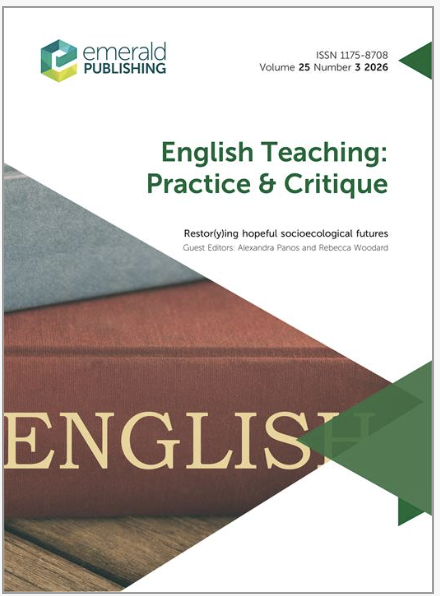
Dreaming through drawing: tracing the shape of children’s “voice” in (re) storying the climate crisis.
Abstract: This study explores how children use drawing, storytelling, and other multimodal forms of expression to communicate their understandings of climate change and environmental activism. Through the Coastal Climate Kids Collective, researchers engaged children aged 7–12 from Boston, San Diego, and Toronto in creating visual and written representations of their environmental experiences and concerns. Using qualitative analysis and multimodal literacy frameworks, the researchers identified three ways children expressed their perspectives: communicating messages about climate action, emphasizing values such as community and water justice, and challenging dominant narratives through alternative stories. Findings highlight children's awareness of sustainability, environmental justice, and collective responsibility. The study demonstrates how arts-based and critical literacy practices can amplify children's voices, support environmental engagement, and empower young learners to imagine more equitable and sustainable futures.
Wargo, J. M., Brownell, C. J., & Schenkel, K. (2026). Dreaming through drawing: Tracing the shape of children’s “voice” in (re)storying the climate crisis. English Teaching: Practice & Critique, 25(3), 389–406. https://doi.org/10.1108/ETPC-10-2025-0249
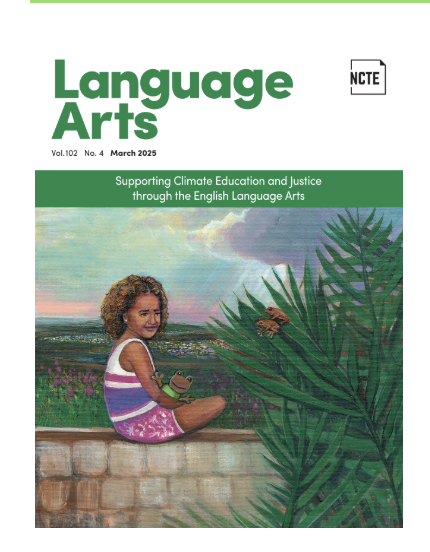
Crafting a sense of response-ability: examining children’s calls to climate action across three coastal communities.
Abstract: Guided by a critical literacies orientation, this multi-sited case study emphasizes the devastating and poignant climate questions children grapple with through closely examining children’s illustrations.
Brownell, C. J., Schenkel, K., & Wargo, J. M. (2025). Crafting a sense of response-ability: Examining children’s calls to climate action across three coastal communities. Language Arts, 102(4), 255–268. https://doi.org/10.58680/la20251024171
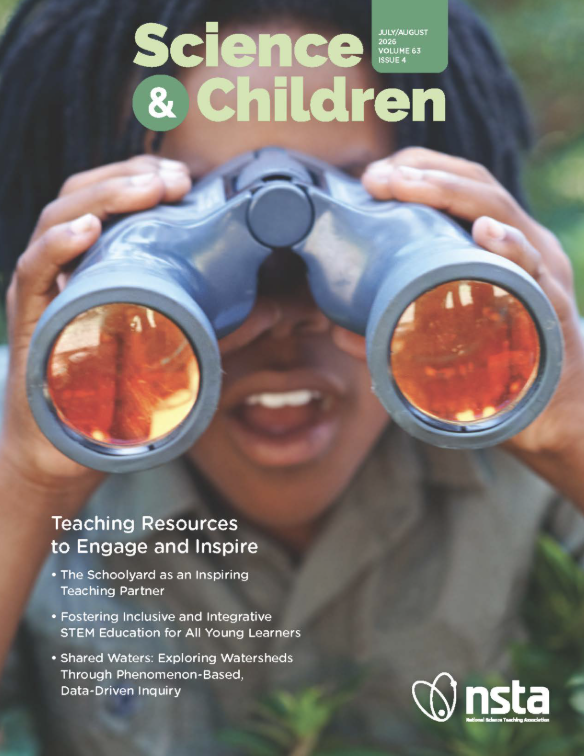
Children communicating care through curiosity walks: Using scientific practices to cultivate knowledge about climate justice.
Abstract: Children experience and grapple with the ongoing effects of climate change in their daily lives. While they did not cause climate change nor should they have to solve it, children deserve educational opportunities to understand why and how it occurs as they prepare to address it. In this Methods and Strategies article, we share how children engaged in place-based art, science, and literacy activities designed to support them in further cultivating relationships with their ecological community and to communicate their findings with other children engaging in the same process across the three coastal communities of Boston, Toronto, and San Diego. Specifically, we highlight how crafting representations of their noticings and wonderings from family walks in their ecological communities supported children to analyze the interactions within ecosystems and express concern and care for the natural world as they engaged in the science practice of asking questions. We share how elementary teachers can support children in cultivating relationships with their local community as they make observations and ask questions to understand how climate change impacts their ecological communities.
Schenkel, K., Brownell, C. J., & Wargo, J. M. (2024). Children communicating care through curiosity walks: Using scientific practices to cultivate knowledge about climate justice. Science and Children, 61(2), 76–82.